Table of Content
Fenugreek seeds are potential therapeutic agents for treating a variety of diseases . They exhibit some powerful anti-inflammatory properties, which can help relieve inflammation and other symptoms of pneumonia . Pneumonia is a microbial infection that can affect one or both of your lungs.
Additionally, our specially trained home health nurses can create a personalized plan of care to aid you in a speedy recovery of your illness. Our skilled nurses will assess your breathing and lung status on every visit. The nurses will instruct you on signs and symptoms of complications and when to notify your M.D. "Most of the time, treated well with antibiotics," Dr. Hanania says.
Related Articles
There's a laundry list of potential causes and risk factors for aspiration pneumonia. "When one's physical or immune defenses are impaired, as they can be with old age or certain neurological diseases, aspiration can become a problem and lead to infection," he says. While most cases of pneumonia are caused by a viral or bacterial infection that leads to inflammation in the lungs , aspiration pneumonia occurs when food or liquids are inhaled instead of swallowed. Healthy lungs can also remove bacteria by moving bacteria out of the lungs and by attacking bacteria with white blood cells called macrophages.

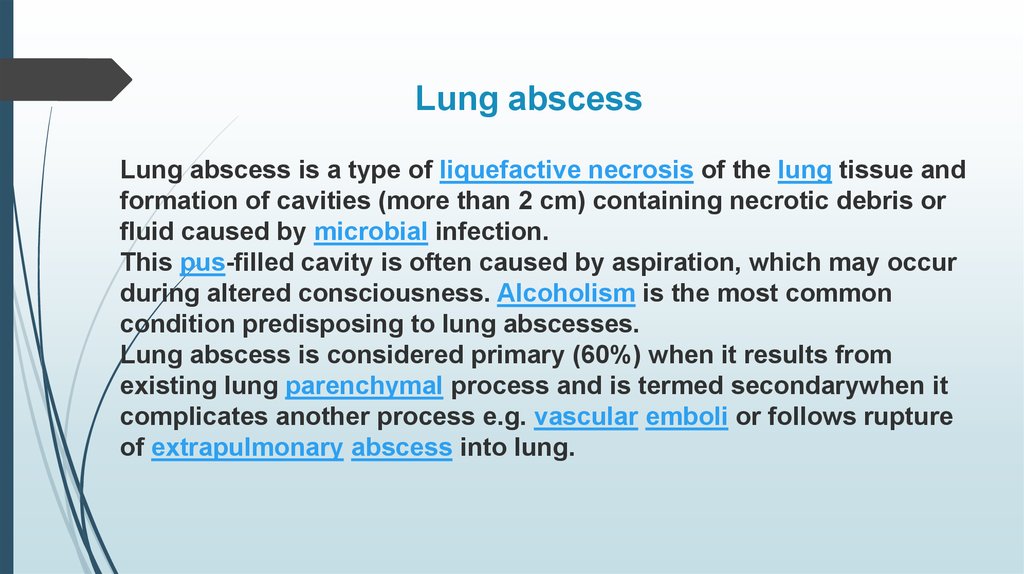
This chest X-ray shows an area of lung inflammation indicating the presence of pneumonia. Pneumonia can cause long-term problems like a lung abscess or permanent scarring. Some people will develop acute respiratory failure, which can be fatal. Your doctor may recommend a swallow evaluation by a licensed speech pathologist or swallow therapist. They can work with you on swallowing strategies and throat muscle strengthening.
How long does it take for aspiration to turn into pneumonia?
However, since the condition may occur silently and go unreported, this estimate may not be accurate. Estimated death rates are between 11-30%, and those who do survive have a high chance of long-term complications and a long time until recovery. The following sections help answer frequently asked questions about aspiration pneumonia. Doctors will monitor older individuals or those with compromised immune systems to avoid life threatening complications. Aspiration pneumonia is not always preventable, but some lifestyle choices can help reduce the risk. Some severe infections may result in long-term damage and scarring in the lungs and major airways.
This includes any condition which makes you drowsy or completely unconscious, such as fits, strokes, or being under the influence of booze or drugs. A doctor listening to your chest with a stethoscope might hear that your breathing sounds muffled and that the covering of your lungs makes a sound when you breathe in and out . Aspiration pneumonia is infection from germs that have leaked into the lungs from the stomach or mouth. Allegiance Home Health & Rehab has been recognized as being one of the top 25 percent of home health agencies nationwide by Home Care Elite in 2009, 2010, 2011, and 2012.
Who is most likely to get aspiration pneumonia?
Before being sent home, many dogs are hospitalized and given antibiotics intravenously. In more severe cases of aspiration pneumonia, people need to be hospitalized and sometimes put on a ventilator to help with breathing. Aminoglycosides, which can cause nephro- and ototoxicity, and imipenem/cilastatin , which can cause seizures, should be avoided in older patients with renal impairment. 4 Prompt diagnosis and management are therefore essential. This article reviews the clinical management of nursing home–acquired pneumonia, with an emphasis on antimicrobial therapy.

Treating dog pneumonia at home is possible, but it's important to first seek veterinary care for proper diagnosis and treatment. Dogs with pneumonia need to be on antibiotics and it typically may take up to 3 days for owners to see signs of improvement. Common antibiotics prescribed include Clavamox and Baytril which cover a very wide range of bacterial pneumonia organisms.
Difficulty swallowing due to stroke, Parkinson’s’ disease, dementia or any other neurological conditions can place you at higher risk for pneumonia. Aspiration pneumonia which occurs when foreign materials are inhaled into the lungs or airways leading to the lungs. When you have pneumonia, oxygen has trouble reaching your blood.
Caffeine may help widen the airways, and a 2021 review even suggested that consuming it could help soothe some COVID-19 symptoms and work against SARS-CoV-2. While the underlying cause of breathing difficulties is different in people with pneumonia, you might find that using a fan makes it easier to catch your breath. If the following suggestions don’t help and your breath becomes even shorter, seek immediate medical care.
Doctors will also modify treatment for people allergic to or who have a reaction to penicillin. Aspiration pneumonia is less common in healthy individuals and more common in people with existing health complications. It is different from regular pneumonia, which refers specifically to an infection by a virus, bacteria, or fungus that infects the person as a whole and then spreads to the lungs.
It’s especially critical that children under 2 years of age or adults over the age of 65 get medical attention and a quick diagnosis. Some of the symptoms of pneumonia may be manageable at home. This article covers home remedies for pneumonia and when to see a doctor. Aspiration pneumonia shows symptoms similar to pneumonia in many cases. Though symptoms can vary for different people, some people may experience difficulty swallowing, clearing their throat after eating and having a feeling of something stuck in the throat.
If you have worrisome symptoms like chest pain, fever and difficulty breathing, call your provider or seek emergency medical help. Most people who get aspiration pneumonia and get treatment will survive. The prognosis for aspiration pneumonia also depends on your overall health and other conditions that you may have and how sick you were when you started treatment. Pneumonitis is a term that refers to inflammation of the lungs. In pneumonia, there is the additional factor of infection. The two conditions have similar symptoms and are often difficult to tell apart.

They aren’t a replacement for your doctor-approved treatment plan, though. It’s important to follow your doctor’s recommendations while using these complementary therapies. If you often feel like you are choking, or have difficulty swallowing, see your provider. You may need to see a specialist who can help you find out why you are choking or having problems swallowing. Have weak immune systems due to some illness, or underdeveloped immune systems due to being very young .


No comments:
Post a Comment